
The Giants of Thai Film & Cinema: A Comprehensive Guide to the Directors Who Defined an Industry
- Thai Cultural Atelier
- May 14
- 14 min read
The history of the Thai film industry is a vibrant tapestry woven with cultural tradition, political shifts, and a relentless pursuit of artistic identity. To understand Thai cinema, then, is to understand the individuals who steered and pioneered the medium from its early days of royal patronage to the global stage of international film festivals. The evolution of the craft in Thailand involves the ability to redefine genres, introduce new technical standards, and bridge the gap between local sensibilities and international audiences. By analyzing the contributions of foundational pioneers and contemporary visionaries, one can identify a specific lineage of figures who have left an indelible mark on the nation’s storytelling heritage.
The story begins with a deep appreciation for the technical craft, as seen in the work of early masters who insisted on global standards long before the infrastructure was in place to support them. As the industry matured, it moved through a period of immense social change, where cinema became a tool for national reflection. Later, a new generation of creators, often trained in the fast paced world of advertising, brought a polished aesthetic that saved the domestic market from collapse. Today, Thai cinema stands as a dual force: a commercial powerhouse in the Asian region and a darling of the global art house circuit.
The following directors represent the essential pillars of this journey, each driven by unique backgrounds and philosophies that shaped their path to success.
Rattana Pestonji: The Perfectionist of the Golden Age
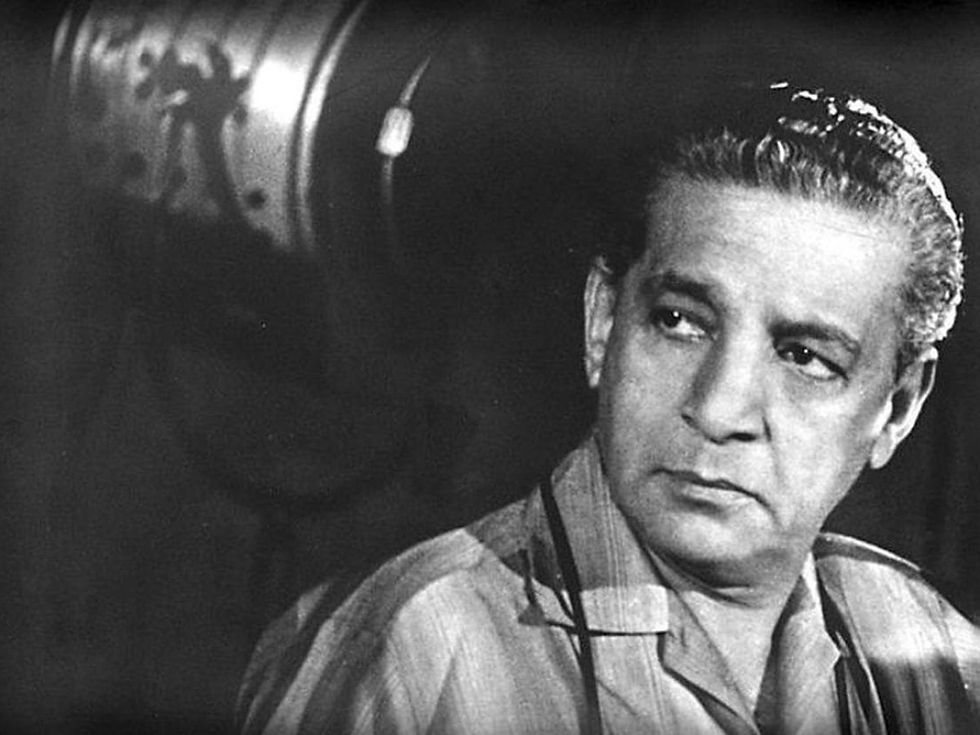
Rattana Pestonji is the foundational figure of high quality Thai filmmaking. Born in 1908 in Bangkok to a family of Parsi descent, he was a man whose life was defined by a bridge between cultures and disciplines. He was educated in Calcutta, India, where he studied engineering. This technical background was crucial to his career, as it gave him a deep understanding of the mechanics of cameras, optics, and film processing. When he returned to Thailand, he did not immediately enter the film world but worked as a merchant and a photographer. His entry into cinema was driven by a hobby that became a lifelong obsession with visual excellence.
During the 1940s and 1950s, the Thai film industry was dominated by 16mm film. This format was popular because it was affordable and allowed for a unique theatrical experience where live performers would stand at the side of the screen, providing all the dialogue and sound effects. Rattana viewed this as a significant limitation. He believed that if Thai cinema were ever to be respected internationally, it had to adopt the 35mm synchronized sound standard used in Hollywood and Europe. His engineering mind could not accept the technical flaws of the 16mm era. He became a lonely advocate for higher standards, often funding his projects with his own money to maintain creative and technical control.
His drive for success was fueled by a desire to prove that Thai artists could match the technical standards of any other nation. In 1954, his film Santi-Vina became the first Thai production to win major awards at an international film festival, taking home prizes for Best Cinematography and Art Direction in Tokyo. Rattana was a true auteur before the term was widely used in Thailand. He often served as his own cinematographer and editor, ensuring that every frame met his exacting standards. His masterpiece, Black Silk (1961), is a landmark of Thai noir. It showcases his ability to use shadow and color to convey complex emotions, moving away from the flat lighting common in local productions at the time.
Rattana’s legacy is the technical foundation of the industry. He was an educator and a visionary who understood that art requires a solid technical base. He founded Hanuman Phapyon, his own production studio, to foster a professional environment for filmmaking. His commitment was so absolute that he died in 1970 while giving a speech at the Department of Public Relations, urging the government to support the film arts as a serious cultural endeavor. This final act solidified his status as the protector of Thai cinematic integrity. For students if Thai filmmaking, Rattana represents the importance of technical mastery and the courage to demand excellence even when the surrounding environment is content with mediocrity.

Prince Chatrichalerm Yukol: The Chronicler of a Nation
Prince Chatrichalerm Yukol, known affectionately as Tan Mui, represents the intersection of royal tradition and modern social consciousness. Born into the Thai royal family in 1942, he was the son of Prince Anusorn Mongkolkarn, who was also a filmmaker. This lineage gave him early access to the world of storytelling, but it was his international education that truly shaped his perspective. He was educated in Australia and later at UCLA in the United States, where he studied under world class filmmakers and was classmates with future Hollywood legends. This international education exposed him to the "New Hollywood" movement of the 1960s, which emphasized grit, realism, and a direct engagement with social issues.
When he returned to Thailand, he moved away from the escapist fantasies and light comedies that were common in the local market. Instead, he began making films that addressed the harsh realities of Thai society. During the 1970s and 1980s, he directed a series of films known as "Life Films" that tackled taboo subjects like drug addiction, prostitution, and institutional corruption. His 1973 film, Khao Chue Karn (The Citizen), followed a young doctor fighting against a corrupt and uncaring bureaucracy in a rural village. The film was nearly banned by the government of the time, but its immense success proved that Thai audiences were hungry for stories that reflected their own struggles and the complexities of their nation.
Prince Chatrichalerm's drive was rooted in a belief that cinema should be a mirror to society. He spent months researching his subjects, often living among the people he was portraying to ensure authenticity. In the 1980s, he directed The Elephant Keeper, a film that explored the destruction of Thailand's forests and the plight of traditional mahouts. His work during this period was characterized by a raw, documentary style that broke the fourth wall of Thai melodrama. He showed that a director could use their platform to advocate for the voiceless, a concept that was revolutionary in the Thai context at the time.
In his later career, the Prince shifted toward massive historical epics, such as The Legend of Suriyothai (2001) and the King Naresuan series. These projects were driven by a sense of duty to preserve and present Thai history for future generations. These were monumental undertakings, utilizing thousands of extras, authentic period costumes, and elaborate sets. They were supported by the Thai government and the royal family, reflecting their role as national cultural projects. He utilized his unique position and resources to create films of unprecedented scale, making him the most influential figure in the history of the Thai historical drama. For students, his career is a study in how to balance personal social conviction with grand, nationalist storytelling, all while maintaining a high level of cinematic craftsmanship.

Nonzee Nimibutr: The Catalyst of the New Wave
By the mid-1990s, the Thai film industry was in a state of near total collapse. Domestic production numbers had plummeted to an all time low, and local theaters were almost entirely filled with imported Hollywood blockbusters. The quality of local films had stagnated, often relying on outdated tropes and low production values.
Nonzee Nimibutr, a graduate of the Faculty of Decorative Arts at Silpakorn University, was the man who single handedly turned the tide. His background was not in traditional cinema but in advertising and music video production. This professional training gave him a keen eye for visual trends, a sense of pacing, and a deep understanding of audience psychology.
Nonzee believed that Thai films could compete with global franchises if they offered high production values, a modern visual sensibility, and stories that felt relevant to the contemporary experience. His directorial debut, Dang Bireley's and Young Gangsters (1997), was a stylish, violent, and highly cinematic look at the criminal underworld of 1950s Bangkok. The film used music, editing, and art direction in ways that Thai audiences had never seen before in a local production. It was a massive success, outperforming foreign films and proving that a new wave of Thai cinema had arrived. Nonzee’s success was built on his ability to blend international technical standards with deeply Thai themes of honor, loyalty, and tragedy.
His drive was focused on the total modernization of the industry. He followed his debut with Nang Nak (1999), a retelling of Thailand’s most famous ghost story. Instead of the campy or low budget horror style of previous versions, Nonzee approached the material as a high budget, lushly photographed romantic tragedy. He focused on the historical realism of the Rama IV era, creating an atmospheric world that felt lived in and authentic. The film was the first in Thai history to reach 100 million baht in revenue, a milestone that changed the economic landscape of the industry. It proved that traditional folklore could be reimagined for a modern, sophisticated audience.
Nonzee’s influence extended far beyond his own films. He was a central figure in the production company Cinematic, and later Mongkol Cinema, where he acted as a mentor and producer for other young directors. He helped launch the careers of visionaries like Wisit Sasanatieng and Pen ek Ratanaruang, effectively creating a community of filmmakers who would dominate the industry for the next decade. His success showed that the advertising aesthetic could be used to elevate storytelling rather than just sell products. For students, Nonzee is the primary example of how a change in production philosophy and visual style can save an entire national industry from extinction.

Apichatpong Weerasethakul: The Dreamer of Global Renown
If Nonzee Nimibutr saved the Thai industry commercially, Apichatpong Weerasethakul gave it a soul that the entire world had to acknowledge. Born in 1970 and raised in the city of Khon Kaen in northeast Thailand, Apichatpong was the son of two doctors. His upbringing in a hospital environment, surrounded by the cycles of life, death, and healing, would later become a recurring theme in his work. He originally studied architecture at Khon Kaen University before moving to the United States to earn a Master of Fine Arts from the School of the Art Institute of Chicago. This education in experimental film and fine art profoundly shaped his approach, moving him away from the commercial structures of Bangkok’s film world.
Apichatpong, often known by his nickname "Joe," rejected traditional linear narratives. He chose instead to focus on memory, the subconscious, and the spiritual connection between humans and nature. His films often feature non professional actors and are set in the lush, mysterious landscapes of rural Thailand. His path to success was built on a refusal to compromise his artistic vision. Working outside the traditional studio system through his own company, Kick the Machine, he created a series of films that challenged audiences to experience cinema as a form of meditation or a dream.
His 2004 film, Tropical Malady, was a turning point. It won the Jury Prize at the Cannes Film Festival, marking the first time a Thai director had achieved such a high level of international prestige. The film is divided into two distinct parts: a realistic romance between two men and a mythical journey into a dark forest involving a tiger spirit. This structure confused some but captivated others, signaling the arrival of a major new voice in world cinema. He reached the pinnacle of international success in 2010 when Uncle Boonmee Who Can Recall His Past Lives won the Palme d'Or. This film, which explores the final days of a dying man visited by the ghosts of his past, placed Thai cinema at the center of the global art house conversation.
Apichatpong’s work is driven by an interest in the "invisible" parts of Thai life. He explores the ghosts of the past, the hidden political histories of the Isan region, and the quiet, surreal moments of the everyday. His films are deeply political, yet they express their critiques through metaphor and atmosphere rather than direct dialogue. He has become a symbol of artistic freedom and resistance, particularly in his struggles with Thai censorship boards. For students, Apichatpong is a vital study in auteur theory. He demonstrates that a director can maintain a singular, uncompromising vision and still achieve global impact, proving that the most local and personal stories can also be the most universal.

Banjong Pisanthanakun: The Master of the Modern Genre
Banjong Pisanthanakun is arguably the most successful commercial director of the 21st century in Thailand. A graduate of Chulalongkorn University’s Faculty of Communication Arts, he represents a generation of filmmakers who grew up with a deep love for both traditional Thai folklore and global pop culture. This dual influence allowed him to speak to a wide audience while maintaining a high level of technical and narrative sophistication. He first rose to prominence as the co director of Shutter (2004), a film that became a global phenomenon and helped define the "Asian Horror" boom of the early 2000s.
The success of Shutter was the result of Banjong’s uncanny ability to understand the emotional rhythm of an audience. He understood that horror is not just about jump scares but about building a sense of dread and connecting that dread to human guilt and secrets. His drive was focused on refining the genre, making it more polished and narratively tight. After Shutter, he continued to experiment with the horror format, contributing to the popular anthologies 4Bia and Phobia 2. These short films showed his range, as he successfully blended horror with dark comedy, a combination that would become his trademark.
Banjong achieved his greatest success with Pee Mak (2013). This film, starring Davika Hoorne and Mario Mauer, was a daring project that reinvented the legend of Nang Nak, the same story Nonzee Nimibutr had directed years earlier, but this time as a romantic horror comedy. It was a massive gamble to take a revered and tragic folk legend and turn it into a comedy, but the gamble paid off. Pee Mak became a cultural event, grossing over one billion baht across Asia and becoming the highest grossing Thai film of all time. Banjong’s success comes from his versatility and his deep empathy for his characters. Even in a broad comedy, he ensures that the emotional core of the story remains intact.
In recent years, he has continued to evolve. His 2021 film, The Medium, was a collaboration with Korean producer Na Hong jin. The film utilized a mockumentary style to explore shamanism in northeast Thailand. It was a darker, more visceral film than his previous work, showing that he is still willing to take risks and push the boundaries of what a commercial horror film can be. For auteurs of Thai films, Banjong’s career provides a the definitive blueprint in genre filmmaking. He shows how to take traditional tropes and archetypes and update them for a globalized audience without losing the specific cultural flavors that make Thai cinema unique. He remains the most influential figure in terms of defining the visual and emotional language of the modern Thai blockbuster.

Wisit Sasanatieng: The Conjurer of Aesthetic Identity
Wisit Sasanatieng is a vital figure who, alongside Nonzee Nimibutr, helped revitalize the industry through sheer visual bravado and a unique sense of style. Also a graduate of the Faculty of Decorative Arts at Silpakorn University, Wisit spent years in the advertising industry, where he became one of Thailand's most sought after directors of commercials. This background gave him an incredible command of art direction, color theory, and visual effects. His drive was a nostalgic love for the "Golden Age" of Thai cinema in the 1950s and 60s, a period characterized by vibrant colors, melodramatic acting, and a specific kind of tropical romanticism.
His debut film, Tears of the Black Tiger (2000), was a revolutionary work that stunned both local and international audiences. The film was a "Thai Western" that used hyper saturated colors, pinks, greens, and oranges, and a theatrical acting style to pay homage to the old action films of his childhood. It was a postmodern masterpiece that was both a parody and a heartfelt celebration of Thai cinematic history. It was the first Thai film ever to be selected for the Un Certain Regard section at the Cannes Film Festival, signaling to the world that Thai cinema had a unique aesthetic identity that was entirely separate from Hollywood or the rest of Asia.
Wisit’s influence lies in his ability to create a visual world that is entirely his own. He proved that Thai cinema did not have to rely on gritty realism to be taken seriously. His follow up, Citizen Dog (2004), was a whimsical, surrealist romantic comedy set in a version of Bangkok where it rains helmets and people turn into white plastic chairs. The film was a visual feast, filled with inventive practical effects and a bright, poppy color palette. Wisit showed that the history and culture of Thailand could be a playground for high concept imagination. He often worked closely with Nonzee Nimibutr, writing the screenplay for Dang Bireley's and Young Gangsters, which showed his ability to handle gritty material as well as the fantastical.
From a film historian's perspective, Wisit is the ultimate example of the "director as designer." His work emphasizes that the visual language of a film, its colors, its costumes, and its sets, is just as important as the dialogue in telling a story. He pushed the Thai film industry to invest more in art direction and visual effects, elevating the overall look of local productions. His success was driven by a desire to make Thai cinema look like nothing else in the world, and in doing so, he helped define a national aesthetic that is both nostalgic and avant garde. He remains a key figure for anyone interested in the intersection of design, history, and cinematic storytelling.
Prachya Pinkaew: The Global Action Icon
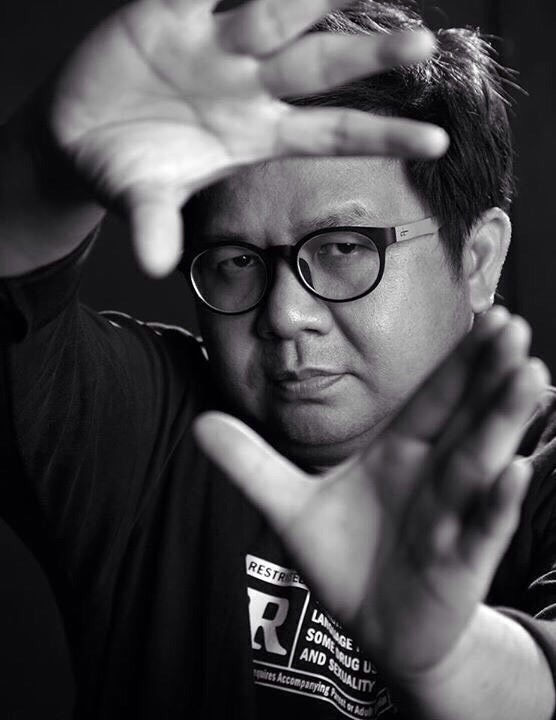
Prachya Pinkaew is the man responsible for turning Thai action cinema into a global brand. Born in 1962 in Nakhon Ratchasima, he began his career as an art director and later became a director of music videos and light comedies. However, his true drive was rooted in a belief that Thailand had a unique cultural asset that the world had never seen properly captured on film: Muay Thai. He was frustrated by how martial arts were often portrayed with "wire fu" or heavy editing that obscured the actual skill of the fighters. He wanted to create a film that showcased the raw power and grace of traditional Thai boxing.
He spent years developing Ong Bak: The Thai Warrior (2003), searching for the right lead actor who could perform the incredible stunts he imagined. He found that star in Tony Jaa, a stuntman who had trained for years in Muay Boran. Prachya’s vision for the film was centered on a "no wires, no CGI" approach. He wanted the audience to see every hit and every jump in real time, emphasizing the physical reality of the performance. This raw, visceral approach was a direct contrast to the increasingly digital action films coming out of Hollywood and Hong Kong at the time.
The international success of Ong Bak was unprecedented. It was a massive hit in Europe and the United States, turning Tony Jaa into a global superstar and making Prachya Pinkaew the most famous action director in the region. He followed this success with Tom Yum Goong (The Protector) in 2005, which featured one of the most famous long take fight scenes in cinema history, a four minute, single shot sequence of a fight up a multi story spiral staircase. Prachya’s success was driven by his commitment to authenticity and his ability to package a specific cultural skill into a universal cinematic language.
His influence on the industry was immense. He brought significant international investment into Thailand and helped establish the country as a hub for action movie production and stunt work. He also used his success to produce films for other directors, such as the female led action hit Chocolate. Prachya’s career is a case study in how to identify a unique cultural strength and turn it into a global competitive advantage. He showed that by focusing on physical excellence and authentic traditions, a director could overcome language barriers and reach an audience in every corner of the world. He remains the gold standard for martial arts cinema, proving that the human body, when captured correctly by a visionary director, is the most powerful special effect of all.
The collective legacy of these directors is not merely found in the box office records they shattered or the prestigious trophies they brought home from Cannes and Tokyo, it is found in the psychological liberation of the Thai film industry itself. Before the interventions of these visionaries, Thai cinema often struggled with an identity crisis, caught between imitating Western tropes and settling for low-budget local convenience. By blending engineering precision, royal duty, advertising polish, and avant-garde experimentation, these men constructed a multifaceted cinematic language that is now uniquely and recognizably Thai. They transformed the "Thai film" from a niche regional product into a globally respected art form, ensuring that future generations of filmmakers inherit a professional infrastructure and an aesthetic confidence that was once unimaginable.
Ultimately, these directors served as the architects of a cultural bridge that spans the gap between the sacred traditions of the past and the digital complexities of the future. Their enduring influence is visible in the way contemporary Thai creators now fearlessly oscillate between high-concept horror, socially conscious drama, and surrealist abstraction. They proved that a director’s greatest tool is not just the camera, but the courage to insist on a specific, uncompromising perspective of the world. As the industry continues to evolve in a globalized era, the fingerprints of these pioneers remain on every frame, serving as a permanent reminder that for a national cinema to thrive, it must be willing to dream as boldly as it dares to reflect its own reality.

Comments