
The Emotional Literacy Revolution: How
Thailand's BL & GL Industry Created the World’s First Safe Space for Superstars
An in-depth cultural analysis of how the Boys' Love and Girls' Love industry accidentally designed a completely fresh blueprint for healthy masculinity, accountability, and real human connection.
f you spend even just an hour scrolling through TikTok, X, or Instagram algorithms tailored to global entertainment, you will inevitably hit a wall of pure, unadulterated emotional warmth. It usually looks like this: two remarkably well-dressed young Thai actors sitting on a panel, looking at each other with intense, focused attention while one talks about their mental health journey, or perhaps wiping away a stray tear from the other’s cheek during a crowded fan meeting. To the uninitiated, this looks like
classic Hollywood press-tour mechanics, a calculated performance to drive social media metrics and boost television ratings. If you look closer at the sheer scale of the global communities surrounding Thailand’s Boys’ Love and Girls’ Love entertainment ecosystem, you realize you are looking at something completely different from the traditional pop culture machine. Thailand has managed to build an entirely new framework for modern celebrity culture, an entertainment universe where emotional vulnerability is treated as a superpower and kindness serves as the ultimate currency for staying relevant.
For the last decade, mainstream media analysis surrounding the explosion of Thai media has leaned heavily into repetitive narratives. Outlets consistently try to unpack the industry by treating it as a purely economic anomaly, a fascinating case study in soft power, or an intriguing evolution of niche queer media shifting into the global mainstream. They write endless think pieces tracking the growth of production houses like GMMTV, Domundi, Idol Factory, and CHANGE2561, charting how these companies
successfully commercialized genres that originated in Japanese manga and turned them into multi-million dollar global empires. They look at the massive international fan tours filling arenas from Manila to Taipei and Rome, and they declare that the phenomenon is driven entirely by attractive young pairings and highly dedicated internet fandoms. This common critique misses the fundamental shift completely.
The real story of Thai television is not about how large the industry has grown, nor is it about the specific mechanics of how media companies distribute their content across international streaming platforms. The truly fascinating reality is that this ecosystem has accidentally created an alternative universe for fame, a culture that explicitly rewards emotional intelligence over calculated distance, and mutual accountability over solo superstar egos. To understand why this shift matters so deeply to audiences today, you have to look at the global landscape of contemporary fame. For generations, the Western entertainment industry has operated on a diet of cynical detachment and the romanticization of the broken individual. Hollywood routinely conditions audiences to worship the unbothered, hyper-independent figure, the individual who keeps their distance and moves through the world with an air of cold superiority. Mainstream pop culture frequently rewards stars who build their brands around controversy, selective isolation, or the constant generation of high-stakes public drama. Even within other massive Asian entertainment hubs, the pressure cooker of fame often demands a flawless performance of perfection, an unnatural standard where human error is entirely unacceptable and personal relationships must be hidden away behind rigid corporate boundaries. Amidst this global landscape of hyper-curated perfection and manufactured controversy, Thailand’s entertainment ecosystem operates on a completely different frequency. It values the exact qualities that modern digital platforms usually destroy: active listening, public declarations of gratitude, open emotional availability, and the unashamed expression of platonic affection.
This dynamic creates a profound form of counter-programming for a global generation that is exhausted by online cynicism and pervasive social isolation. When viewers tune into these series or follow the real-life interactions of the actors who star in them, they are entering an environment that functions as an emotional sanctuary. The stories themselves frequently move away from the traditional high-stakes conflicts driven by bitter revenge, violent confrontation, or toxic miscommunication. Instead, the narrative
engine of modern Thai dramas is fueled by characters who spend an immense amount of time talking through their feelings, establishing clear boundaries, navigating consent with profound care, and actively working to heal old emotional wounds. This narrative focus shapes the entire public behavior of the actors who bring these characters to life. Because the genre itself values deep interpersonal warmth, the celebrity ecosystem that surrounds it demands that its stars display the exact same emotional
accessibility in their day-to-day lives. The resulting culture completely changes how young audiences conceptualize success and relationship dynamics.
“The modern celebrity ecosystem usually thrives on an air of cold detachment and unattainable perfection. The rapid rise of Thai entertainment suggests a profound cultural shift: audiences are increasingly choosing to reward emotional accessibility, visible vulnerability, and consistent kindness over the traditional mystique of the isolated superstar.”
The most striking manifestation of this revolution is the total redefinition of how male superstars are allowed to act in the public eye. Across global media, traditional masculinity has historically been performing a very specific, limited script. Men are taught to suppress their tears, to keep their close friendships transactional and distant, and to view emotional openness as a fundamental vulnerability that can be weaponized against them. If you observe the major stars of the Thai entertainment space during
public panels, variety shows, or intimate live streams, you see a completely different version of masculinity being performed. These young men routinely hug, hold hands, comfort each other through visible crying spells, and openly express their deep love and respect for their creative partners without an ounce of hesitation or self-consciousness. They talk candidly about their anxieties, their therapy sessions, and their moments of deep self-doubt. They actively celebrate each other's achievements instead of competing for individual dominance, establishing an environment where mutual support is the standard rather than the exception.
This behavior represents a massive shift for millions of young viewers who have grown up surrounded by rigid gender norms. It offers visual proof that a person can be an incredibly successful, highly sought-after global fashion ambassador and media icon while remaining profoundly gentle, expressive, and emotionally available. The industry has managed to create a space where emotional intelligence is the ultimate form of charisma. This is not happening because studios set out with an explicit corporate
mandate to teach psychology or alter global sociology. It is happening because the structural design of the industry naturally filters out the traditional, ego-driven solo superstar archetype. The core feature of this market is the enduring professional partnership, a model where two actors are cast to lead multiple projects together over several years, building a shared creative universe and a highly interconnected public brand. This structural reality makes individual selfishness entirely counterproductive to long-term
commercial success.
When two individuals know that their career trajectories are fundamentally intertwined for the foreseeable future, their entire approach to collaboration must change. They cannot afford the luxury of isolated ego trips or behind-the-scenes rivalries that routinely destroy traditional Hollywood ensembles. They are forced to develop deep communication habits, to navigate creative differences with profound patience, and to actively protect each other's mental and physical well-being amidst the intense pressures of global fame. This shared responsibility transforms the way these pairs interact with the world around them.
When fans watch an interview, they are not just watching two performers promote a television show, they are watching a masterclass in long-term relationship maintenance. They observe two people practicing active listening, validating each other's statements, stepping in to offer support when one partner is visibly exhausted, and presenting a unified front against the chaotic nature of internet culture.
This dynamic shifts these celebrities into a completely unique category of public influence. They are no longer just traditional product influencers who use their reach to move luxury fashion items or cosmetics, though they certainly do that on an unprecedented scale. They have effectively become relationship influencers, public figures whose primary appeal lies in the way they model human connection. For a generation navigating an era of profound digital dislocation, where forming deep, meaningful real-world bonds feels increasingly complicated, watching these stars navigate their professional and personal
partnerships offers an invaluable guide. Viewers see how conflict can be resolved through quiet conversation rather than explosive escalation. They see how boundaries can be respected without creating emotional distance, and they learn how to voice appreciation for the people in their lives without fear of judgment.
The health of this celebrity culture is also directly tied to the unique way accountability functions within the global fandom. In many traditional entertainment sectors, the relationship between a superstar and their audience is highly parasocial and largely unconditional, or it is driven by a fickle news cycle that builds celebrities up simply to tear them down for the sake of clickbait engagement. Within the Thai media space, the relationship operates much more like a community-led governance system. The global fan communities are incredibly organized, observant, and deeply invested in the ethical behavior of the stars they support. They do not just celebrate their favorite actors for their looks or their on-screen performances; they explicitly praise them for their real-world humility, their respect toward production staff, their active participation in charitable initiatives, and their consistent kindness during fan interactions. If an actor demonstrates entitlement, dismisses a fan, or acts carelessly toward their creative partner, the community does not wait for a traditional public relations firm to spin the narrative. The fanbase itself will openly discuss the misstep, demanding accountability and urging the individual to reflect on their behavior.
This dynamic creates a powerful incentive structure that keeps the entire ecosystem remarkably grounded. Success in this industry is completely dependent on a star's ability to maintain genuine, respectful relationships with the community that elevates them. It turns fame into a collective project rather than an individual prize. This is why you rarely see the explosive, self-destructive scandals that define Western tabloid media. When your entire career is built on a foundation of emotional accessibility and community connection, chasing attention through reckless controversy or arrogant isolation is an immediate path to irrelevance. The stars who achieve the greatest longevity are almost universally the ones who are consistently described by production crews, managers, and everyday fans as profoundly kind, deeply professional, and exceptionally grateful for the opportunities they have been given.
Ultimately, this shift reveals that the global audience for Thai entertainment is seeking something much deeper than simple romantic escapism or attractive visual pairings. In a media landscape that has spent decades capitalizing on cynicism, shock value, and emotional detachment, the ultimate form of subversion is earnest optimism. Thailand has built an international media empire by exporting something the world desperately needs: an unfiltered defense of human warmth, emotional literacy, and collective
care. By transforming the way celebrities interact with each other and their audiences, this industry is proving that pop culture does not have to be toxic to be globally successful. It can be a space that actively encourages people to be more open, more communicative, and infinitely kinder to one another.


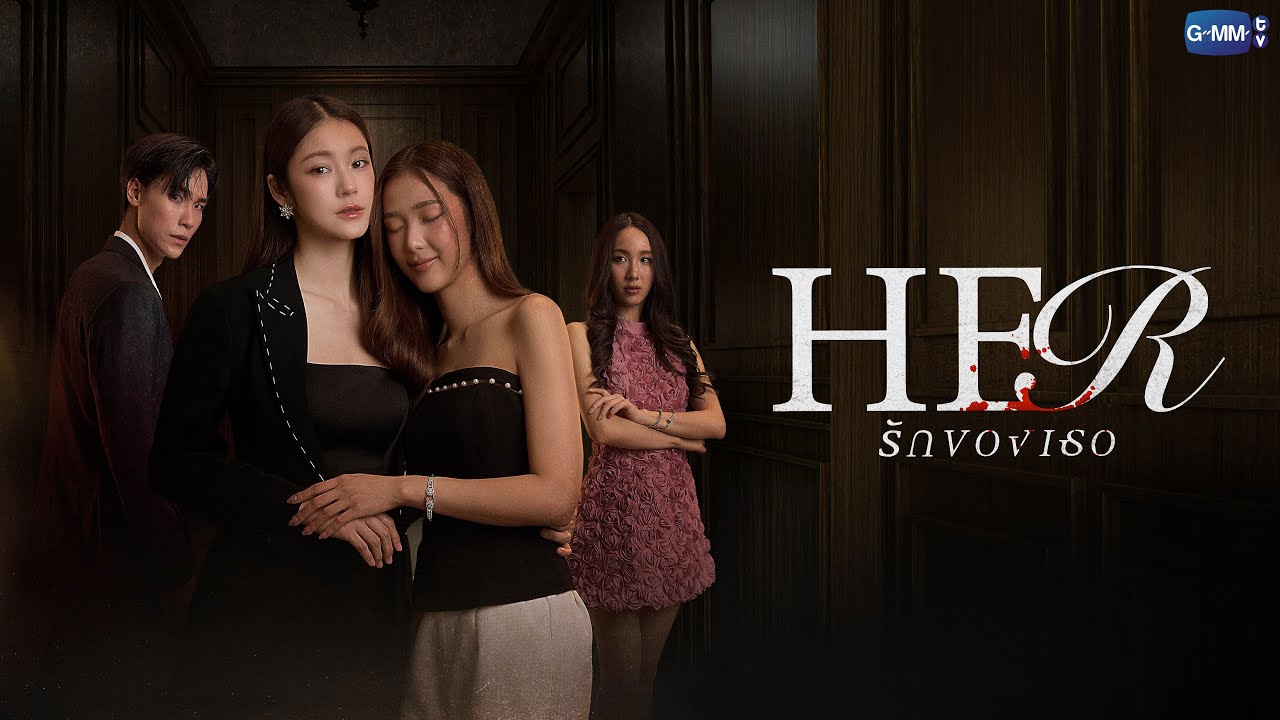





The globalization of contemporary Thai media has found its most vibrant, economically significant, and culturally resonant expression in the dual phenomena of Boys' Love and Girls' Love television series. Known universally by their shorthand acronyms, BL and GL, these genres have transformed from niche, subcultural media adapted from localized literature and foreign manga into a multi-billion-baht juggernaut that shapes global pop culture trends, dominates international streaming metrics, and fosters unprecedented levels of digital fan engagement. For enthusiasts, industry analysts, and newcomers seeking a gateway into this captivating media landscape, understanding the intricate histories, recurring narrative architectures, and foundational text recommendations of Thai BL and Thai GL is essential.
The meteoric rise of Thai BL and the rapid, concurrent acceleration of Thai GL represent a fascinating intersection of progressive societal visibility, savvy commercial entertainment engineering, and a profound mastery of social media ecosystems. Thailand has successfully positioned itself as the undisputed global capital of queer romantic dramas, creating specialized production houses that construct highly immersive fictional universes. These universes extend far beyond the television screen, spilling over into international fan meetings, global concert tours, massive brand endorsement contracts, and a highly synchronized economy built around specific actor pairings or ships. To truly appreciate how Thai BL and Thai GL achieved such monumental dominance, one must examine the specific cultural shifts, structural evolution, and core foundational texts that define these distinct yet deeply intertwined storytelling domains.
The historical trajectory of Thai BL demonstrates how an underground literary subculture evolved into a mainstream entertainment powerhouse. Long before television screens were illuminated by the romances of young men, the foundations of the genre were laid in online web-novel forums, where writers, primarily women writing for a predominantly female demographic, pioneered localized narratives heavily inspired by Japanese yaoi and shounen-ai traditions. These early digital texts established the foundational vocabulary and structural frameworks of the genre, operating under distinct narrative conventions that prioritized emotional vulnerability, interpersonal drama, and the slow, deliberate subversion of traditional heteronormative romance structures.
The paradigm shift from text to screen occurred progressively, culminating in landmark television broadcasts that proved the immense commercial viability of these narratives. Early experiments in the 2010s demonstrated a growing domestic appetite for queer-inclusive storytelling, but it was the monumental release of foundational series that shattered international barriers and established the modern template for the Thai BL phenomenon. Suddenly, stories that had once been confined to specialized digital publishing platforms were being produced by major television networks and dedicated media conglomerates like GMMTV, Studio Wabi Sabi, and MeMindY. The global health crisis of 2020 served as an unexpected accelerant for the genre, as international audiences confined to their homes discovered the comforting, highly addictive, and emotionally resonant world of Thai BL, leading to an unprecedented explosion in viewership across Asia, the Americas, and Europe.
Crucial to the structural success of Thai BL is its reliance on distinct narrative settings and tropes that provide a sense of familiarity while allowing for endless creative permutations. For years, the university campus, specifically the engineering faculty, served as the definitive battleground for Thai BL romances. This setting allowed writers to explore themes of academic rivalry, senior-junior dynamics, mentorship, and the intensive social rituals unique to Thai university life, such as the SOTUS (Seniority, Order, Tradition, Unity, and Spirit) system. Within these collegiate spaces, characters navigated the complex transition from adolescence to young adulthood, grappling with identity, familial expectations, and peer dynamics.
As the market matured and audiences demanded greater narrative variety, the genre expanded aggressively beyond campus borders, introducing a diverse array of mature themes and genres. Contemporary Thai BL frequently ventures into corporate offices, historical eras, fantasy landscapes, action-packed crime syndicates, and supernatural mysteries. Despite these diverse settings, the core appeal remains anchored in specific character dynamics. The genre often utilizes archetypes derived from its literary roots, contrasting cold, emotionally distant, or highly protective characters with partners who are fiercely independent, deeply empathetic, or beautifully expressive. These dynamics allow for the exploration of profound themes, including the psychological weight of unrequited love, the complexities of coming out to traditional families, the processing of childhood trauma, and the ultimate triumph of authentic emotional connection over societal constraints.
For anyone seeking to fully understand the scope and brilliance of Thai BL, several seminal series demand mandatory viewing. A foundational masterpiece that single-handedly redefined the global reach of the genre is 2gether The Series, a romantic comedy that combined the charms of a fake-dating trope with a soundtrack anchored by the popular Thai band Scrubb. The series generated unprecedented international social media engagement, turning its lead actors into global icons and demonstrating the immense soft-power potential of Thai media. For viewers seeking a more profound, cinematically elevated exploration of romance and nostalgia, I Told Sunset About You stands as an absolute triumph. Set against the breathtaking backdrop of Phuket, this coming-of-age drama tracks the intense, emotionally turbulent relationship between two childhood friends preparing for university admissions. The series is universally lauded for its exceptional cinematography, raw and authentic performances, and a brilliant, nuanced script that captures the agonizing, beautiful complexities of adolescent self-discovery.
As the demand for narrative sophistication grew, series like Bad Buddy emerged to brilliant effect, subverting long-standing genre clichés by taking a classic Romeo and Juliet premise, two rival families living next door to one another, and transforming it into a witty, deeply healthy, and emotionally intelligent exploration of mutual respect and hidden affection. Meanwhile, the genre proved its capacity for high-stakes adrenaline with KinnPorsche The Series, a mature, cinematic mafia drama that blended intense action choreography, complex corporate intrigue, and a deeply passionate, unyielding romance, proving that Thai BL could successfully execute large-scale, high-budget genre pieces. Additional masterpieces such as SOTUS The Series, A Tale of a Thousand Stars, Not Me, Last Twilight, and Moonlight Chicken further demonstrate the genre's incredible versatility, spanning from classic university traditions and rural community development to political activism and the poignant realities of working-class life.
Parallel to the established empire of boys' love, the landscape of Thai television is currently experiencing an equally revolutionary transformation through the explosive ascension of Girls' Love, or GL. For many years, sapphic representation in mainstream Thai media was severely limited, often relegated to tragic secondary characters, comic relief, or cautionary subplots within sprawling family melodramas. However, the rapidly growing demand for authentic, multi-dimensional stories centering on women loving women catalyzed a massive shift within the entertainment industry. Recognizing the passionate, chronically underserved global audience hungry for high-quality sapphic content, pioneering production houses began investing heavily in the adaptation of popular Thai GL web novels, igniting a cultural movement that is currently reshaping the global television landscape.
The breakthrough of Thai GL has been characterized by a fierce, unparalleled fan loyalty and a rapid evolution in production standards. Audiences have responded with immense enthusiasm to stories that validate the unique emotional landscapes, societal pressures, and romantic experiences of women. The commercial success of these initial ventures has shattered the long-standing industry myth that sapphic stories possess limited market appeal. Today, Thai GL is recognized as a formidable commercial force, capable of selling out massive international arenas for fan meetings, generating millions of daily social media interactions, and attracting major corporate sponsorships from global beauty, fashion, and lifestyle brands.
The narrative architecture of Thai GL possesses its own distinct, deeply compelling textures, often focusing heavily on the intricate dynamics of power, age gaps, and social class. A recurring and highly popular framework within the genre is the office or corporate romance, which naturally facilitates the exploration of workplace hierarchies, professional ambition, and the intense tension of hidden, forbidden attractions. These settings allow stories to delve into the unique societal expectations placed upon Thai women, balancing traditional notions of filial piety and familial duty against the pursuit of personal freedom and authentic romantic fulfillment.
Furthermore, Thai GL excels at exploring the deep psychological undercurrents of its characters, contrasting the external armor worn by successful, high-achieving women with the tender, hidden vulnerabilities that surface when they allow themselves to love and be loved by another woman. Whether navigating the rigid hierarchies of corporate boardrooms, the historical constraints of royal courts, or the bittersweet emotional minefields of high school and college campuses, Thai GL consistently prioritizes character growth, emotional intelligence, and the celebration of resilience. The genre provides a vital space where female agency, ambition, and desire are not merely acknowledged, but are celebrated as the driving forces of the narrative.
To appreciate the artistic and commercial heights of the Thai GL revolution, one must begin with GAP The Series, the monumental production that effectively served as the global catalyst for the genre. As the first full-length Thai GL series, this workplace romance tackled the intense, slow-burn dynamic between a wealthy, enigmatic corporate executive and a bright, idealistic new employee. The electrifying chemistry between the leads captivated an international audience, establishing the foundational blueprint for GL production, marketing, and fan engagement. Building upon this momentum, The Secret of Us emerged as a landmark achievement, delivering a beautifully paced, emotionally intense second-chance romance between a dedicated doctor and a rising actress. The series set a magnificent new standard for the genre, combining high production values, a sophisticated script, and deeply moving performances that captured the profound ache of heartbreak and the beautiful process of emotional healing.
The artistic boundaries of the genre were pushed even further with the release of The Loyal Pin, a magnificent, high-budget period drama set within the elegant, tradition-bound confines of the Thai aristocracy. This series masterfully blended historical cultural elements, exquisite costume design, and a deeply moving narrative about two women navigating the rigid constraints of societal duty and royal expectations to preserve their love. For audiences seeking a lighter, deeply comforting experience, 23.5 Degree: The World Incline offers a delightful, beautifully executed high school romance that captures the fluffy, heartwarming essence of first love, marking an important milestone as the first dedicated GL project produced by media giant GMMTV. The depth of the genre is further illustrated by contemporary masterpieces like Affair, a deeply intimate, emotionally raw drama centering on childhood friends whose lives drastically reverse in social status, alongside gripping, boundary-pushing titles such as Pluto, Blank, Reverse 4 You, and Petrichor, which successfully introduce elements of mystery, time travel, crime procedural, and psychological drama into the sapphic storytelling tradition.
Ultimately, the profound global impact of Thai BL and Thai GL extends far beyond the boundaries of artistic entertainment; it represents a powerful, transformative force for cultural diplomacy, societal visibility, and economic innovation. By positioning diverse romantic narratives at the absolute forefront of its cultural export strategy, Thailand has fostered a global community of interconnected fans who transcend geographical, linguistic, and cultural divides. This massive international fandom actively participates in a highly sophisticated digital economy, driving global trends, translating content into dozens of languages, and traveling across the world to experience the culture, landmarks, and culinary delights showcased within their favorite series.
As the production houses of Thailand continue to diversify their stories, elevate their cinematic techniques, and champion authentic, inclusive representation, the global influence of Thai BL and Thai GL is poised to expand exponentially. These genres have definitively proven that stories centered on queer love, emotional resilience, and authentic human connection possess a universal power that resonates deeply across the globe. Whether you are drawn to the high-stakes drama of a mafia underworld, the nostalgic charm of a campus romance, the elegant sophistication of a historical period piece, or the intense longing of a corporate workplace, the rich and ever-expanding world of Thai BL and Thai GL offers an extraordinary, deeply rewarding viewing journey that is fundamentally transforming the landscape of modern television.