
Mario Maurer Faces the Weretiger: Everything We Know About the Thai Horror Film "Dawn of Soengsang"
Updated: Apr 23
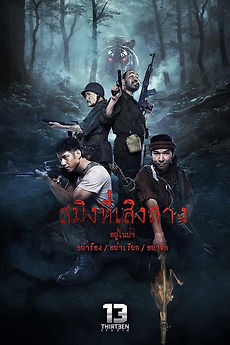
The Thai film industry is currently witnessing a massive resurgence in folkloric horror, a movement led by visionary director Taweewat Wantha through his newly established 13 Studio. His latest project, "Dawn of Soengsang" (สมิงที่เสิงสาง), tentatively planned for a Q4 2026 release, marks a significant departure from his recent work on the Death Whisperer franchise, pivoting toward a gritty, creature-feature action-horror hybrid.
Produced in partnership with Phranakorn Film, the project is positioned as a high-budget tentpole designed to modernize one of Thailand’s most feared supernatural legends.
The narrative is set during the 1970s, a period defined by the intense conflict between the Thai government and communist insurgents.
The "Soengsang" of the title refers to a district in Nakhon Ratchasima that was once a notorious "Red Zone" under rebel control. In this historical setting, the film follows a group of individuals who enter the dense, dangerous jungles only to find that the political warfare they expected is overshadowed by a violent forest legend.
This antagonist is the Sua Saming, or weretiger, a supernatural predator capable of mimicking human forms to stalk its prey. The film aims to blend the tactical survival elements of a war movie with the visceral terror of a monster thriller.
Leading the production is Mario Maurer, one of Thailand's most globally recognized stars whose claim to fame includes the record-breaking Pee Mak and The Love of Siam. His involvement signals a high-caliber return to the horror-action genre. He is joined by an eclectic supporting cast that bridges traditional cinema with modern viral culture.
Gunjae Pakdeevijit, a staple of classic Thai jungle-action dramas, brings a sense of authenticity to the military setting, while social media sensation Ong-art (Pee Cha-e) and veteran actor Pragkasit Bowsuwan provide a balance of contemporary energy and dramatic weight. Rising actress "Miu" Natsha and Australian culture chameleon Christopher Chaafe, who is naming a name for himself for his fluency in northern Thai dialect, rounds out the confirmed ensemble, ensuring the film appeals to a broad demographic of the "T-Wave" cultural movement.
The legend of the Sua Saming itself is deeply rooted in Thai animism and the lived history of rural forest communities. Historically, these tales likely served as a psychological response to the very real danger of tiger attacks in the teak forests. According to folklore, a Sua Saming is often a powerful sorcerer whose obsession with black magic causes them to lose their humanity, eventually transforming into a tiger. Alternatively, it is believed that a man-eating tiger that consumes enough victims can absorb their souls, gaining the ability to shapeshift. The terror of the Saming lies in its deception; it is said to lure victims by mimicking the voices of lost loved ones, appearing as a serene wandering monk, or taking the form of a beautiful woman bathing in a stream.
By placing this ancient predator within the "Red Zone" era of the 1970s, director Taweewat Wantha explores a time when the jungle was a lawless territory where technology could not protect the vulnerable from the supernatural. The film serves as a bridge between the campfire stories of the past and the sophisticated production standards of modern 13 Studio releases. As the project moves through its primary production phase toward a projected late 2026 release, it stands as a major attempt to reclaim Thai folklore for a global audience, transforming a local superstition into a cinematic spectacle of survival and psychological horror.

Comments